الرئيسية

تصميم غلاف المجلة

تصميم غلاف المجلة

  • The Ultimate Guide to Scientific Journal Cover Design: From Concept to Publication The Ultimate Guide to Scientific Journal Cover Design: From Concept to Publication
    Jun 29, 2026
    Introduction Publishing a scientific paper is a significant milestone—but for many researchers, seeing their work featured on the cover of a journal is an even greater achievement. A journal cover is more than an attractive image. It is a visual representation of scientific discovery that highlights the importance, creativity, and impact of a research project. Whether featured in journals from Nature Portfolio, ACS, Wiley, Elsevier, Springer Nature, or other publishers, cover artwork provides an opportunity to communicate complex science in a way that captures attention far beyond the research community. In this guide, we'll explore how scientific journal covers are created, what editors look for, and how researchers can transform their discoveries into compelling visual stories. What Is Scientific Journal Cover Art? Scientific journal cover art is an illustration or visualization selected to represent one of the research articles published in a specific journal issue. Unlike figures within a paper, cover artwork is not intended to explain every experimental detail. Instead, it should communicate the essence of the research through an engaging and scientifically accurate visual. A successful journal cover often balances three elements: Scientific accuracy Visual storytelling Artistic creativity The goal is to inspire curiosity while remaining faithful to the underlying science. Why Journal Covers Matter Being selected for a journal cover offers several advantages beyond aesthetics. Increased Visibility Cover images are featured on journal websites, newsletters, social media channels, and promotional materials, helping research reach a broader audience. Stronger Research Branding A memorable cover creates a lasting visual identity for a research project and can enhance recognition among collaborators, funding agencies, and the wider scientific community. Enhanced Science Communication Many scientific concepts are difficult to explain using text alone. Cover artwork provides a visual gateway that makes complex ideas more accessible. Professional Recognition Although cover selection does not reflect the scientific quality of a paper alone, it is often viewed as recognition of a study's originality and communication value. How Journal Cover Design Differs from a Graphical Abstract Many researchers confuse journal covers with graphical abstracts, but they serve different purposes. Graphical Abstract Explains the research process Focuses on mechanisms or workflows Supports manuscript comprehension Often required during submission Journal Cover Celebrates the research Tells a visual story Creates emotional and visual impact Designed for promotion and branding Think of a graphical abstract as a scientific summary, while a journal cover functions more like the poster of a feature film. What Editors Look For Although every publisher has its own guidelines, successful cover artwork usually shares several characteristics. A Clear Central Message Editors prefer artwork built around one memorable scientific idea rather than multiple competing concepts. Strong Composition Effective covers guide the viewer's eye naturally toward the primary scientific discovery. Scientific Accuracy Artistic creativity should never distort or exaggerate the underlying science. Visual Simplicity The strongest covers often communicate a single concept clearly instead of attempting to illustrate every experimental detail. Publication Quality Artwork should meet technical requirements for resolution, color space, typography, and file format. The Journal Cover Design Process Creating professional cover artwork typically involves several stages. Step 1: Understand the Research Design begins with carefully reviewing the manuscript, figures, and key findings. Questions commonly considered include: What is the main scientific discovery? Which mechanism is most visually interesting? What message should readers remember? Step 2: Develop a Concept Several visual concepts are explored before selecting the strongest idea. Possible approaches include: Molecular landscapes Cellular environments Nanostructures Medical illustrations Environmental scenes Space-inspired compositions Abstract conceptual imagery Step 3: Create a Sketch A rough layout establishes composition, perspective, and storytelling before detailed rendering begins. Step 4: Produce the Final Artwork Professional software is used to create publication-ready artwork with attention to lighting, texture, color harmony, and scientific detail. Step 5: Refine and Submit Researchers review the artwork to ensure scientific accuracy before submission to the journal. Common Mistakes to Avoid Many otherwise strong cover submissions fail because of avoidable design issues. Overcrowded Composition Trying to illustrate every experiment usually weakens the visual impact. Excessive Text Most journals discourage large amounts of text on cover artwork. Scientific Inaccuracy Small biological or structural inaccuracies can reduce credibility. Generic Visuals Stock imagery rarely reflects the originality of a research project. Poor Color Balance Colors should enhance readability rather than distract from the main message. Design Trends in Scientific Journal Covers Modern journal covers increasingly incorporate cinematic visual techniques. Popular trends include: Three-dimensional molecular rendering Dynamic lighting Transparent materials Microscopic landscapes AI-assisted concept development Realistic biological textures High-contrast compositions Minimalist storytelling These approaches help transform complex research into visually compelling narratives while maintaining scientific integrity. Can AI Replace Scientific Cover Designers? Artificial intelligence has become a valuable tool for brainstorming concepts and accelerating parts of the creative process. However, journal cover design requires much more than image generation. Professional designers work closely with researchers to: Interpret scientific mechanisms Ensure biological and structural accuracy Meet publisher specifications Refine composition for visual communication AI can support creativity, but scientific expertise and thoughtful design remain essential for producing publication-quality cover artwork. Tips for Researchers Preparing Cover Artwork If you are considering submitting cover art, keep these recommendations in mind: Identify the single most important scientific message. Gather high-quality figures and supporting data. Review the journal's artwork guidelines before designing. Avoid unnecessary complexity. Focus on visual storytelling rather than decorative effects. Seek feedback from colleagues before submission. Early planning often leads to stronger results than creating cover artwork after publication. Conclusion Scientific journal covers represent the intersection of research, communication, and visual art. An outstanding cover does more than decorate a journal—it communicates the significance of scientific discovery, attracts new audiences, and creates a lasting impression of the research. Whether your work explores nanomaterials, biomedical engineering, chemistry, environmental science, or artificial intelligence, thoughtful cover design can amplify the visibility and impact of your research. As scientific publishing becomes increasingly visual, investing in professional journal cover artwork is no longer simply an aesthetic choice—it is an effective way to communicate science to the world.
    اقرأ أكثر
  • Slowing Aging: What Recent Research Tells Us About Longevity Science Slowing Aging: What Recent Research Tells Us About Longevity Science
    Feb 10, 2026
    Aging is something everyone experiences, yet for a long time it was treated as an unavoidable slide into decline. That view has started to change. Over the past decade, laboratory research has revealed that aging is not a single, passive process, but a collection of biological mechanisms that follow recognizable patterns. Many of these processes can now be measured, compared, and in some cases influenced. This shift has given rise to modern longevity science, a field that brings together molecular biology, clinical research, and evidence-based lifestyle studies to explore how aging might be slowed—and how more years of life might be spent in better health.   The Biology of Aging: From Molecules to Mechanisms At a fundamental level, aging reflects the gradual accumulation of cellular damage, a declining ability to repair tissues, and broad changes in metabolism and gene regulation. Researchers often describe these processes using the framework of the “hallmarks of aging.” These include genomic instability, cellular senescence, impaired protein maintenance, and mitochondrial dysfunction. Rather than viewing age-related diseases as isolated conditions, scientists increasingly see them as downstream consequences of these shared biological drivers. As a result, targeting the hallmarks themselves has become a central strategy in longevity research.   Breakthrough Laboratory Discoveries 1. Anti-aging drug combinations in animal models One widely discussed study from the Max Planck Institute for Biology of Ageing examined what happens when two existing drugs—rapamycin, an mTOR inhibitor, and trametinib—are used together in mice. The combination extended lifespan by up to 30% compared with untreated animals. Just as importantly, the mice did not simply live longer; they remained physically stronger and showed lower levels of chronic inflammation. The findings suggest that manipulating key signaling pathways can influence both lifespan and overall physiological function. 2. Genetic insights from animal research Genetic models continue to play a crucial role in aging studies. In one example, mice engineered to overexpress the enzyme SIRT6—a protein involved in metabolic regulation and DNA repair—lived significantly longer than controls. These animals also showed reduced inflammation and improved metabolic stability as they aged. Such results reinforce the idea that relatively small changes in gene regulation can have wide-ranging effects on aging trajectories. 3. Multi-gene drug repurposing networks More recently, computational approaches have added a new dimension to longevity research. By mapping thousands of genes linked to different aging hallmarks, scientists have identified existing drugs that may influence these networks. This systems-level perspective, often referred to as network medicine, allows researchers to prioritize drug candidates that act on multiple aging pathways at once, accelerating the search for viable interventions. 4. Synergistic effects of drug combinations in yeast Even simple organisms continue to offer valuable clues. In laboratory experiments with yeast, combinations of histone deacetylase inhibitors produced lifespan extensions far greater than those achieved by individual compounds alone. Because many core aging mechanisms are conserved across species, these findings help researchers explore how synergistic drug effects might translate to more complex organisms. 5. Nutritional interventions with molecular impact Nutrition research has also moved beyond broad dietary advice to examine how specific eating patterns affect aging pathways. Both laboratory and clinical studies show that interventions such as dietary restriction or time-restricted feeding can modulate nutrient-sensing pathways like mTOR and IGF-1. These changes are closely linked to mitochondrial performance, metabolic flexibility, and cellular stress resistance.   Emerging Human Clinical Evidence Animal models provide essential insight, but human data are increasingly shaping the field.   Vitamin D and telomere preservation A multi-year randomized clinical trial published in The American Journal of Clinical Nutrition reported that adults over 50 who took 2,000 IU of vitamin D3 daily experienced slower telomere shortening than those in the control group. Because telomeres play a protective role at the ends of chromosomes, their rate of shortening is often used as a marker of cellular aging and long-term disease risk.   Diet, exercise, and biological aging clocks The DO-HEALTH trial, one of the largest aging studies conducted in Europe, applied epigenetic “aging clocks” to estimate biological age. Participants who combined omega-3 supplementation, vitamin D intake, and regular strength training showed a measurable slowing of biological aging over three years. The results highlight how lifestyle factors can interact with molecular aging processes in meaningful ways.   Lifestyle Interventions With Molecular Impact Even as laboratory research advances, everyday habits remain powerful tools for influencing aging biology. Caloric and nutrient modulation: Moderate caloric restriction and thoughtful nutrient timing can alter metabolic signaling and cellular stress responses associated with aging. Physical activity: Regular exercise supports mitochondrial function, limits chronic inflammation, and promotes cellular repair, consistently correlating with slower biological aging. Sleep and stress control: Sleep quality and stress levels affect systemic inflammation and DNA repair, both of which play key roles in long-term aging processes.     Translational Challenges and Future Directions Despite encouraging results, translating laboratory findings into real-world therapies is not straightforward. Human complexity: Effects seen in animals often appear smaller in humans, whose biology and lifespans are far more complex. Safety and ethics: Intervening in core processes such as gene regulation or cellular reprogramming carries long-term uncertainties, requiring careful clinical oversight. Accessibility: As longevity technologies develop, ensuring fair and broad access will be an ongoing challenge.   Bringing Longevity Science to Life The path from laboratory discovery to clinical application is still unfolding, but the direction is clear. Future strategies are likely to combine pharmacological advances with precision nutrition, exercise science, and personalized diagnostics into integrated approaches to healthy aging. For science communicators, clear figure design can make complex mechanisms—such as senescence pathways or drug targets—easier to understand, while thoughtful cover design helps longevity research stand out in an increasingly crowded information landscape.    
    اقرأ أكثر

  • لماذا تُغيّر الفرضيات المُولّدة بواسطة الذكاء الاصطناعي طريقة ممارستنا للعلم؟ لماذا تُغيّر الفرضيات المُولّدة بواسطة الذكاء الاصطناعي طريقة ممارستنا للعلم؟
    Oct 24, 2025
    لأكثر من قرن، اتبع الاكتشاف العلمي نمطًا مألوفًا: ملاحظة ظاهرة، اقتراح فرضية، تصميم تجارب، وتحليل النتائج. لكن في عصر القوة الحاسوبية ومجموعات البيانات الضخمة، تُعاد صياغة هذا التسلسل. تُحدث الفرضيات المُولّدة بالذكاء الاصطناعي - وهي رؤى تُقترح مباشرةً من قِبَل أنظمة الذكاء الاصطناعي - تحولًا سريعًا في طريقة طرح العلماء للأسئلة، واختبارهم للأفكار، وتسريعهم للاكتشافات العلمية.لا يقتصر هذا التحول على العمل بشكل أسرع فحسب، بل يمثل تطورًا جوهريًا في كيفية توليد المعرفة.  من الحدس البشري إلى البصيرة التي تحركها الآلةتقليديًا، تنبثق الفرضيات من الحدس البشري: إذ يحدد الباحثون فجوات المعرفة، ويفسرون الأنماط، ويتكهنون بالتفسيرات المحتملة. ولكن مع تزايد حجم مجموعات البيانات العلمية - مثل الجينوميات، وعلوم المواد، وعلم الفلك، وبيانات المناخ - لم يعد الحدس البشري وحده كافيًا.يمكن لنماذج الذكاء الاصطناعي معالجة ملايين نقاط البيانات، والتعرف على الهياكل المخفية، واقتراح اتصالات قد يستغرق الأمر سنوات حتى يتمكن البشر من اكتشافها. أظهرت دراسة أجريت عام 2023 من معهد ماساتشوستس للتكنولوجيا ومعهد برود أن نموذج التعلم الآلي يمكنه تحديد جزيئات المضادات الحيوية المحتملة عن طريق الفحص أكثر من 100 مليون مركب في غضون أيام- وهي عملية من المستحيل إجراؤها من خلال توليد الفرضيات يدويًا فقط.هذا هو سير العمل العلمي الجديد: بدلاً من البدء بفرضية، يبدأ الباحثون بمعلومات تم تحديدها بواسطة الذكاء الاصطناعي وتستحق التحقيق.لماذا تُعدّ الفرضيات المُولّدة بواسطة الذكاء الاصطناعي مهمة؟1. دورات اكتشاف أسرعيمكن للذكاء الاصطناعي تقييم الاحتمالات وتضييق مسارات البحث بسرعة. على سبيل المثال، في علم المواد، تقترح النماذج التوليدية الآن مواد بطارية جديدة مع الخصائص المتوقعة- تقليص وقت الاكتشاف من سنوات إلى أشهر.2. الاستكشاف خارج الخيال البشريالذكاء الاصطناعي لا يقتصر على الحدود التخصصية التقليدية. يمكن للأنظمة المدربة على علم الأحياء والكيمياء والفيزياء في وقت واحد أن تقترح فرضيات متعددة التخصصات قد يتجاهلها البشر - على سبيل المثال، أوجه التشابه بين طي البروتين ونظرية العقد الرياضية.3. خفض تكاليف البحثيساعد إنشاء الفرضيات تلقائيًا الباحثين على التخلص من الطرق المسدودة مبكرًا. أفادت شركات الأدوية أن اختبار الفرضيات الموجه بالذكاء الاصطناعي يقلل التكاليف التجريبية بنسبة تصل إلى 40٪مما يجعل البحث والتطوير أكثر كفاءة وقابلية للتطوير.4. ديمقراطية العلوم المتقدمةتمكن أدوات الذكاء الاصطناعي المختبرات الأصغر حجمًا أو الباحثين في بداية حياتهم المهنية من توليد أفكار بحثية عالية المستوى دون الحاجة إلى عقود من التخصص في المجال. النتيجة: نظام علمي أكثر شمولاً حيث تساعد الأدوات القوية على تحقيق المساواة في الفرص.أمثلة واقعية على ابتكار فرضيات تعتمد على الذكاء الاصطناعياكتشاف الأدويةتُولّد أنظمة الذكاء الاصطناعي، مثل AlphaFold من DeepMind ومنصات Insilico Medicine، فرضيات حول تفاعلات البروتينات، ومواقع الارتباط، وهياكل الأدوية. وقد انتقل أحد الجزيئات المصممة من Insilico من مرحلة الفرضية إلى تجارب المرحلة الأولى في غضون 18 شهرًا، مقارنة بمتوسط ​​الصناعة الذي يتراوح بين 4 إلى 6 سنوات.أبحاث المناخ والبيئةأصبحت الشبكات العصبية قادرة الآن على التنبؤ بتحولات النظام البيئي، وسلوك الغازات المسببة للاحتباس الحراري، والظواهر الجوية المتطرفة بدقة ملحوظة - مما قاد الباحثين إلى فرضيات جديدة حول التفاعلات بين الأرض والغلاف الجوي وأنماط دوران المحيطات.الفيزياء وعلم الفلكوقد اقترح الذكاء الاصطناعي نماذج جديدة للتفاعل بين الجسيمات، واكتشف أنماطًا غير عادية في البيانات الكونية تشير إلى تفسيرات بديلة للمادة المظلمة - وهي أفكار يتم اختبارها رسميًا الآن.كيف يؤثر هذا التحول على التواصل العلميإن ازدياد الفرضيات المُولَّدة بالذكاء الاصطناعي لا يُغيِّر الاكتشاف فحسب، بل يُؤثِّر أيضًا على كيفية إيصال النتائج. تعتمد فرق البحث بشكل متزايد على المرئيات المتقدمة لشرح الرؤى المُعقَّدة المُستقاة من الذكاء الاصطناعي لجمهور أوسع ومُحرِّري المجلات العلمية. خدمات مثل تصميم الرسوم التوضيحية و تصميم الغلاف المساعدة في تحويل المفاهيم التي تعتمد بشكل كبير على البيانات إلى صور واضحة وجذابة تعكس الأبحاث المتطورة.وبما أن الذكاء الاصطناعي يتيح نماذج علمية أكثر عمقًا وتجريدًا، فإن الاتصال المرئي عالي الجودة يصبح أمرًا ضروريًا.التحديات والاعتبارات الأخلاقيةوعلى الرغم من الفوائد، فإن الفرضيات التي تولدها الذكاء الاصطناعي تثير أسئلة حاسمة: قابلية التفسير: هل الأفكار المقترحة للذكاء الاصطناعي ذات معنى علمي أم أنها مجرد ارتباطات؟ تحيز: يمكن أن تؤدي مجموعات البيانات المتحيزة إلى استنتاجات خاطئة أو ضارة. الإشراف: كيف نضمن الاستخدام المسؤول دون إبطاء الابتكار؟ الائتمان والتأليف: Wمن يملك الفرضية التي تم إنشاؤها بواسطة خوارزمية؟ يتفق معظم الخبراء على أن الذكاء الاصطناعي ينبغي أن يُعزز القدرة البشرية على الحكم، لا أن يحل محلها. وتأتي أقوى النتائج من التعاون بين الأنظمة الحاسوبية والباحثين البشريين القادرين على تقييم مدى معقولية النتائج من النواحي البيولوجية والفيزيائية والأخلاقية.عصر جديد من الاكتشاف العلميالفرضيات التي يُولّدها الذكاء الاصطناعي ليست مجرد توجه، بل تُمثّل نقلة نوعية في كيفية استكشاف البشرية للمجهول. فمن خلال كشف أنماطٍ مُعقّدةٍ للغاية بالنسبة للحدس البشري، يُوسّع الذكاء الاصطناعي آفاقَ ما يُمكننا استكشافه. لم يعد العلماء ينطلقون من ملاحظاتٍ مُنعزلة، بل ينطلقون من تنبؤاتٍ قائمةٍ على البيانات تُشير إلى آفاقٍ علميةٍ جديدةٍ تمامًا. ومع استمرار هذا التحول، فإن مستقبل البحث العلمي سوف يتحدد من خلال الشراكة بين الإبداع البشري والذكاء الآلي، مما يؤدي إلى تسريع الاكتشافات التي كانت تبدو مستحيلة في السابق.
    اقرأ أكثر
  • حقوق الطبع والنشر الأكاديمية: عنصر أساسي في حماية مخرجات البحث حقوق الطبع والنشر الأكاديمية: عنصر أساسي في حماية مخرجات البحث
    Jun 13, 2025
    في الأوساط الأكاديمية، يُعدّ حق المؤلف أكثر من مجرد مفهوم قانوني، بل هو آلية حيوية لحماية الأعمال الأصلية للباحثين والعلماء والمعلمين. سواءً كانت أوراقًا بحثية أو محاضرات أو مواد تعليمية، المخططات البيانيةأو تحليلات البيانات، تضمن حقوق النشر الأكاديمية الملكية المشروعة والاستخدام المناسب للمخرجات العلمية. تقدم هذه المقالة دليلاً شاملاً لفهم أساسيات حقوق النشر الأكاديمية، والمفاهيم الخاطئة الشائعة، والتطبيقات العملية، واستراتيجيات مواجهة التحديات - مما يساعدك على التعامل مع النشر الأكاديمي ونشر المعرفة بثقة أكبر.   لماذا تعتبر حقوق الطبع والنشر الأكاديمية مهمة جدًا؟ حقوق الطبع والنشر ليست مجرد حق، بل مسؤولية. فهي تمنح المبدعين ملكية أعمالهم الأصلية، مما يسمح لهم بالتحكم في كيفية استخدامها ومشاركتها مع الجمهور. تشمل الفوائد الرئيسية ما يلي: حماية الملكية الفكرية: يحافظ على أفكار المبدع وتعبيراته الفريدة من السرقة أو سوء الاستخدام. تشجيع البحث والابتكار: إن الحماية القانونية تحفز الباحثين على استثمار الوقت والجهد في عملهم. الحفاظ على النزاهة الأكاديمية: تعزيز ثقافة احترام المساهمات الأصلية، والحد من الانتحال وإساءة الاستخدام. ومع ذلك، قد تُشكّل حماية حقوق النشر عوائق أمام الوصول، لا سيما في شكل رسوم اشتراك مرتفعة أو حواجز دفع. يُعيد صعود النشر مفتوح المصدر تشكيل التوازن بين حقوق النشر ومشاركة المعرفة.   حقوق النشر الأكاديمية حقوق الطبع والنشر هي حق قانوني يُمنح لمبدع العمل الأصلي، مما يسمح له بالتحكم في إعادة إنتاجه وتوزيعه وعرضه وتكييفه. في الأوساط الأكاديمية، يشمل هذا: المقالات والكتب الأكاديمية شرائح المحاضرات ونصوص الكلام المخططات والرسوم البيانية والرسوم التوضيحية بعض مجموعات البيانات الأصلية   الأصالة والنطاق يحمي حق المؤلف التعبيرات، لا الأفكار. على سبيل المثال، يُمكن مناقشة فرضية بحثية بحرية، ولكن تبقى صياغة البحث أو بنيته أو صوره المرئية محمية. تستمر مدة حقوق النشر عمومًا طوال حياة المؤلف بالإضافة إلى 70 عامًا، وبعدها يدخل العمل المجال العام.تسمح أحكام الاستخدام العادل بالاستخدام المحدود للمحتوى المحمي بحقوق الطبع والنشر دون الحصول على إذن للتدريس أو التعليق أو البحث.   ملكية العمل الأكاديمي: من يملك الحقوق؟ تتضمن السيناريوهات الشائعة ما يلي: الملكية الفردية: تنطبق عادةً على الأوراق البحثية أو مواد المحاضرات التي يكتبها مؤلف واحد فقط. الملكية المؤسسية: إذا تم إنتاج العمل باستخدام دعم أو تمويل مؤسسي كبير، فقد تمتلك المؤسسة الحقوق. الأعمال التعاونية: غالبًا ما تتطلب المشاريع متعددة المؤلفين شروط حقوق نشر متفق عليها مسبقًا. يساعد فهم هياكل الملكية الباحثين على تحديد حقوقهم في استخدام أعمالهم أو مشاركتها أو ترخيصها.   حقوق المؤلف واتفاقيات النشر باعتبارك منشئًا، فإنك تمتلك عادةً حقوقًا مثل: حقوق إعادة الإنتاج: السيطرة على النسخ والتوزيع حقوق التوزيع: سلطة النشر في منافذ أو منصات محددة الحقوق المشتقة: الإذن بالترجمات أو التعديلات أو الأعمال المشتقة حقوق العرض والأداء: التحكم في العرض أو الأداء العام   عند العمل مع الناشرين، قد تواجه ما يلي: نقل حقوق النشر: يحصل الناشر على السيطرة الكاملة؛ ويتنازل المؤلف عن حقوقه (وهو أمر شائع في النشر التقليدي). رخصة النشر: يحتفظ المؤلف ببعض الحقوق أثناء منح الناشر الإذن باستخدام العمل.   مواجهة التحديات: الانتحال والانتهاك يُعدّ الانتحال انتهاكًا أخلاقيًا وجريمة قانونية محتملة. قد تشمل عواقبه سحب البحث، أو التحقيق في سوء السلوك الأكاديمي، أو رفع دعاوى قضائية. لتجنب ذلك: اذكر المصادر دائمًا بوضوح استخدم أدوات الكشف عن الانتحال اتبع المبادئ التوجيهية الأخلاقية لمؤسستك   النشر مفتوح الوصول: على الرغم من أن الوصول المفتوح يزيد من الرؤية والوصول، إلا أنه لا يزال ينطوي على اعتبارات حقوق النشر: يجب على المؤلفين أن يقرروا ما إذا كانوا يريدون الاحتفاظ بالحقوق أو نقلها قد يفرض الناشرون رسومًا على معالجة المقالات بدون الترخيص المناسب، قد يستغل الآخرون العمل تجاريًا   التراخيص والأذونات: فهم ترخيص المشاع الإبداعي (CC) تُستخدم تراخيص المشاع الإبداعي على نطاق واسع في الأوساط الأكاديمية لتسهيل المشاركة. ومن الأنواع الشائعة: CC BY: الاستخدام المجاني مع نسب المؤلف CC BY-NC: لا يُسمح بالاستخدام التجاري CC BY-SA: مطلوب ترخيص المشاركة بالمثل للإصدارات المعدلة إن اختيار الترخيص المناسب يمكن أن يعزز تأثير عملك مع حمايته من سوء الاستخدام.   كيفية طلب الإذن لاستخدام محتوى شخص آخر: تحديد المادة المحددة (على سبيل المثال، الصورة، البيانات، المقتطف) تحقق من إشعار حقوق النشر أو ترخيص الاستخدام إذا لم يكن الأمر واضحًا، تواصل مع صاحب حقوق الطبع والنشر أو المؤسسة التابعة توفر العديد من الجامعات والمجلات إرشادات حول حقوق النشر لمساعدتك على البقاء متوافقًا.   خاتمة الوعي بحقوق النشر أمر ضروري لكل باحث حقوق الطبع والنشر الأكاديمية أكثر من مجرد إجراء قانوني، فهي تعكس احترامًا لجهودك الفكرية وتدعم البحث العلمي الأخلاقي. سواء كنت طالب دراسات عليا أو أستاذًا جامعيًا، فإن فهم مبادئ حقوق الطبع والنشر أساسي لنجاح مسيرتك الأكاديمية. من خلال إتقان مفاهيم مثل الحقوق والتراخيص وديناميكيات الوصول المفتوح، يمكنك: حماية عملك من سوء الاستخدام المشاركة بمسؤولية ودعم تبادل المعرفة التفاوض على اتفاقيات النشر بثقة إيجاد التوازن بين التعاون والمشاركة والنزاهة أتمنى لكل باحث أن يبتكر مع الحماية وأن يشارك مع الهدف.
    اقرأ أكثر
  • معرفة رسم SCI: الصورة النقطية والرسومات المتجهة معرفة رسم SCI: الصورة النقطية والرسومات المتجهة
    Mar 20, 2025
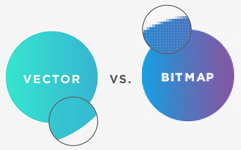
    عند الرسم الرسوم التوضيحية العلمية، غالبًا ما نواجه الاختيار بين صورة نقطية ومتجه الرسومات. ستركز هذه المقالة على استكشاف تعريفاتها واختلافاتها للرجوع إليها.   1. أنواع الصور والتعاريف رسومات المتجهات: تتألف من منحنيات محددة رياضيا ، مع نقاط المرساة والمسارات كمكونات أساسية لها.     رسومات Bitmap: المعروفة أيضًا باسم رسومات النقطية أو البكسل ، وهي تتألف من وحدات البكسل الفردية. عند تكبيرها ، يصبح من الواضح أن الصورة تتكون من وحدات بكسل مربعة صغيرة.     2. أنواع الصور و دقة رسومات المتجهات: فهي مستقلة عن الدقة ، مما يعني أنه يمكن تحجيمها بأي حجم وطباعة في أي دقة دون فقدان الوضوح. الرسومات النقطية: تتألف من وحدات البكسل ، لذلك عندما يتم توسيع الصورة ، تصبح البكسلات أكبر أيضًا. نظرًا لأن كل بكسل لديه لون واحد ، فإن توسيع صورة صورة نقطية يؤدي إلى تأثير البيكسل المعروف.   3. أنواع الصور وتمثيل اللون رسومات Bitmap: قادرة على عرض ألوان غنية ومفصلة ، مما يجعلها مثالية للصور الواقعية للكائنات الطبيعية. رسومات المتجهات: بسبب القيود الرياضية ، لديها تمثيل محدود للألوان ولا يمكنهم تصوير كائنات واقعية بشكل فعال. بدلاً من ذلك ، غالبًا ما يتم استخدام رسومات المتجهات الرموز ، الشعارات ، الرسوم التوضيحية وغيرها من التصميمات البسيطة ، واضحة. في الصور التالية ، يمكنك رؤية رسومات Bitmap تعرض مجموعة واسعة من الألوان.   رسومات نقطية رسومات المتجهات   4. أنواع الصور وتنسيقات الملفات تنسيقات صورة نقطية شائعة: BMP ، PCX ، GIF ، JPG ، TIF ، PSD من Photoshop إلخ. تنسيقات المتجهات الشائعة: AI ، EPS ، SVG (Adobeillustrator) ، DWG ، DXF (AutoCAD) ، CDR (Coreldraw) ، إلخ.   5. تحويل نوع الصورة يمكن تحويل رسومات المتجه إلى صور نقطية باستخدام برنامج تصميم الرسوم. ومع ذلك ، يتطلب تحويل صورة نقطية إلى رسم معقد معقدًا ومتسعًا للبيانات ، وقد تختلف جودة صورة المتجه الناتجة بشكل كبير.
    اقرأ أكثر

اترك رسالة

اترك رسالة
في السنوات العشر الأولى من تطور سونغدي، ركزت على تصميم الصور وأبحاث الرسم العلمي والترويج في مجال البحث العلمي.
إرسال

ساعات عملنا

الإثنين 21/11 - الأربعاء 23/11: 9 صباحًا - 8 مساءً
الخميس 24/11: مغلق - عيد شكر سعيد!
الجمعة 25/11: 8 صباحًا - 10 مساءً
السبت 26/11 - الأحد 27/11: 10 صباحًا - 9 مساءً
(جميع الساعات بالتوقيت الشرقي)

اتصل بنا :service@sondii.com

الرئيسية

منتجات

whatsApp

الاتصال