الرئيسية

المدونة

المدونة

  • Artemis II Mission Success: NASA’s Return to the Moon After 50 Years and the New Space Race Artemis II Mission Success: NASA’s Return to the Moon After 50 Years and the New Space Race
    May 26, 2026
    Introduction Humanity has officially returned to deep space. In April 2026, NASA successfully completed the Artemis II mission, sending astronauts around the Moon and safely back to Earth for the first crewed lunar mission since Apollo 17 in 1972. The historic flight marked the first time in more than five decades that humans traveled beyond low Earth orbit and ventured into deep space. But Artemis II is more than a symbolic return to the Moon. The mission represents the beginning of a long-term strategy to establish a sustained human presence on the lunar surface, develop lunar infrastructure, and prepare for future missions to Mars. As governments and private companies accelerate investments in lunar exploration, Artemis II may be remembered as the mission that launched a new era of space exploration. What Was Artemis II? Artemis II was NASA’s first crewed test flight of the Orion spacecraft and Space Launch System (SLS). The mission carried four astronauts: Reid Wiseman (NASA) Victor Glover (NASA) Christina Koch (NASA) Jeremy Hansen (Canadian Space Agency) During the nearly 10-day mission, the crew traveled around the Moon and returned safely to Earth, completing critical tests of life-support systems, spacecraft operations, navigation technologies, and deep-space communication systems. The mission reached a record distance of 248,655 miles from Earth, surpassing the distance record previously held by Apollo 13. The Orion spacecraft successfully splashed down in the Pacific Ocean on April 10, 2026. Why Artemis II Matters For many observers, Artemis II was a historic achievement. For NASA, it was a critical systems validation mission. Before astronauts can land on the Moon again, NASA must demonstrate that its next-generation spacecraft can safely transport crews through deep space and return them to Earth. Artemis II successfully tested: Deep-space crew operations Orion spacecraft performance Re-entry and heat shield systems Long-duration lunar navigation Human performance in deep-space environments NASA officials described the mission as a foundational step toward future lunar landings and long-term exploration initiatives. The Moon Base Vision: From Missions to Permanent PresencePerhaps the most important outcome of Artemis II is what comes next. NASA is no longer pursuing short-term lunar visits. Instead, the agency is building toward a sustained lunar presence through the Artemis program. The long-term goal includes: Lunar habitats Surface power systems Scientific research stations Autonomous robotic infrastructure Resource utilization technologies Recent NASA announcements reveal plans for lunar landers, rovers, cargo systems, and drone technologies that will support the construction of a future Moon Base near the lunar south pole. The lunar south pole is particularly attractive because it may contain water ice deposits that could support future astronauts through the production of drinking water, oxygen, and rocket fuel. This strategy transforms the Moon from a destination into an operational base for deeper space exploration. The Rise of Commercial Space Competition Another major story behind Artemis II is the growing role of private industry. Unlike the Apollo era, modern lunar exploration is increasingly driven by partnerships between government agencies and commercial companies. NASA has recently awarded contracts to several private firms, including: Blue Origin Firefly Aerospace Lunar Outpost Astrolab These companies are developing landers, lunar vehicles, robotic systems, and infrastructure technologies that could support future Moon Base operations. This public-private model aims to reduce costs while accelerating innovation. The result is a rapidly expanding lunar economy where government missions and commercial ventures work together to establish a permanent presence beyond Earth. A New Space Race Is Already Underway The Artemis program is also unfolding within a broader geopolitical context. Multiple nations are expanding lunar ambitions, including: United States China European Space Agency partners Canada Japan As lunar exploration becomes increasingly strategic, the Moon is emerging as the next major arena for technological leadership, scientific research, and resource development. Many analysts now describe the current environment as a new space race—one focused not only on reaching the Moon, but on staying there. NASA officials have repeatedly emphasized that Artemis is designed as a long-term exploration framework rather than a single mission series. Scientific Discoveries Beyond the Mission Artemis II was not only a transportation milestone. The crew conducted scientific observations during their lunar flyby, including monitoring meteoroid impact flashes on the far side of the Moon and collecting data that could help researchers better understand lunar surface conditions. These observations contribute to future planning for lunar habitats, astronaut safety systems, and long-term surface operations. The mission also generated extensive imagery and engineering data that will help shape upcoming Artemis missions. What Comes Next? Following the success of Artemis II, NASA is preparing for the next phase of lunar exploration. Upcoming objectives include: Artemis III lunar landing mission Deployment of lunar infrastructure Surface mobility systems Expansion of commercial lunar services Development of the Artemis Base Camp concept NASA recently announced additional Moon Base contracts and future mission planning efforts that could lead to sustained human activity on the lunar surface by the early 2030s. The long-term vision extends beyond the Moon. NASA sees lunar operations as a testing ground for future human missions to Mars. Conclusion The success of Artemis II marks one of the most significant milestones in modern spaceflight. For the first time in more than 50 years, humans have traveled around the Moon and returned safely home. But the true significance of the mission lies in what it enables next. From lunar bases and commercial space infrastructure to future Mars expeditions, Artemis II represents the beginning of a new chapter in human exploration. The question is no longer whether humanity will return to the Moon. The question is how quickly we will build a permanent presence there.
    اقرأ أكثر
  • 🧠 AI Is Becoming a Scientist: Google’s “Co-Scientist” Breakthrough and the Future of Scientific Discovery
    May 13, 2026
    Introduction Artificial intelligence is no longer just a tool for data analysis or automation. In 2026, AI is beginning to take on a far more ambitious role — acting as a scientific collaborator. At Google I/O 2026, Google Research revealed a new generation of AI systems, including “Co-Scientist” and ERA (Empirical Research Assistant), designed not just to assist scientists, but to actively generate hypotheses, build models, and accelerate scientific discovery. This marks a major shift in how research is conducted — and raises a critical question: Are we entering an era where AI becomes a true scientific partner? What Is Google’s AI “Co-Scientist”? Google’s Co-Scientist system is an AI-driven research assistant that can: Analyze massive scientific literature databases Generate and rank novel hypotheses Propose experimental directions Assist in computational modeling Support drug discovery and biomedical research According to Google Research leadership, these systems are already being applied to areas such as drug repurposing for cancer and antimicrobial resistance studies. In parallel, ERA (Empirical Research Assistant) focuses on automating computational experiments and model testing, reducing the time required for iterative scientific validation. Why This Breakthrough Matters Traditionally, scientific discovery follows a slow, human-driven pipeline: Literature review Hypothesis generation Experimental design Data collection Validation AI systems like Co-Scientist compress this workflow by automating early-stage reasoning and experimental planning. This could dramatically accelerate research in: 🧬 Drug discovery 🧠 Neuroscience ⚛️ Physics modeling 🌍 Climate science 🧫 Biomedical research In other words, AI is shifting from data processing tools → hypothesis-generating systems. Real-World Impact: From Cancer to Antibiotics One of the most significant implications of this technology is in biomedical research. Google researchers report that AI-assisted systems have already contributed to: Drug repurposing for acute myeloid leukemia Studies in antimicrobial resistance Faster identification of potential therapeutic compounds This aligns with broader industry trends where AI models (including systems like AlphaFold) are transforming how new medicines are discovered. Is AI Replacing Scientists? Despite the dramatic progress, researchers emphasize that AI is not replacing human scientists — at least not yet. Instead, AI is acting as: A “force multiplier” for human creativity and reasoning Scientists still define: Research goals Experimental constraints Ethical boundaries Final interpretation of results However, AI increasingly handles: Hypothesis generation Literature synthesis Pattern discovery Simulation and modeling This creates a new research paradigm: Human + AI co-discovery. The Rise of “Autonomous Science” Google’s Co-Scientist is part of a broader movement toward autonomous scientific systems, sometimes called: Self-driving laboratories AI research agents Closed-loop discovery systems In these systems, AI not only proposes ideas but also iteratively refines them based on experimental feedback. Some researchers believe this could eventually lead to: Fully automated discovery pipelines where AI runs end-to-end research cycles Challenges and Concerns Despite the excitement, several challenges remain: 1. Scientific Reliability AI-generated hypotheses must still be rigorously validated. 2. Transparency Understanding why AI proposes certain ideas is still difficult. 3. Research Bias AI models may inherit biases from training data. 4. Scientific Ownership Who owns an AI-generated discovery? These issues will shape the next decade of AI governance in science. The Future: AI as a Scientific Partner The emergence of AI Co-Scientist systems suggests a fundamental shift in scientific methodology. Instead of replacing scientists, AI is becoming: A hypothesis generator A simulation engine A literature analyst A research accelerator This evolution may lead to a new era of discovery where breakthroughs happen faster than ever before. Conclusion The introduction of AI Co-Scientist systems marks one of the most important developments in modern research. We are moving toward a future where: Scientific discovery is no longer purely human — but a collaboration between humans and intelligent machines. The question is no longer whether AI will transform science, but how quickly we can adapt to this new research ecosystem.
    اقرأ أكثر
  • Common Figure Mistakes That Lead to Manuscript Rejection
    May 07, 2026
    Why High-Quality Figures Matter More Than Ever Researchers often spend months—or even years—conducting experiments, analyzing data, and writing manuscripts. Yet one critical aspect of scientific publishing is frequently underestimated: figure quality. Scientific figures are often the first part of a manuscript that editors, reviewers, and readers examine. Before diving into the text, they scan the figures to assess the study's novelty, rigor, and overall presentation. A poorly designed figure can create confusion, raise concerns about data quality, and ultimately contribute to manuscript rejection. While scientific merit remains the most important factor in publication decisions, weak figures can significantly reduce a manuscript's chances of success. In this article, we explore some of the most common figure mistakes that lead to negative reviewer comments and explain how researchers can avoid them. 1. Overcrowded Figures One of the most common problems in scientific publishing is trying to include too much information in a single figure. Researchers often combine multiple experiments, datasets, and analyses into one panel, resulting in a figure that is difficult to read and interpret. Common Symptoms Too many panels Tiny labels Excessive annotations Multiple unrelated datasets Why Reviewers Dislike It Reviewers should not have to spend significant time deciphering a figure. If the main message is hidden within excessive detail, the scientific impact may be diminished. Best Practice Focus each figure on a single scientific question or key finding. If necessary, divide complex content into multiple figures. 2. Poor Resolution and Image Quality Low-resolution figures remain a surprisingly common reason for editorial revisions and delays. Images that appear acceptable on a computer screen may become blurry when viewed in publication format. Common Issues Pixelated microscopy images Blurry graphs Compressed image files Screenshots used as figures Why It Matters Poor image quality can make important details impossible to evaluate and may raise concerns about professionalism. Best Practice Prepare figures at the resolution required by the target journal and export files in high-quality formats whenever possible. 3. Inconsistent Design Across Figures A manuscript should present a coherent visual story. However, many submissions contain figures created at different times using different software, resulting in inconsistent visual styles. Common Issues Multiple font styles Different color schemes Inconsistent line widths Variable panel layouts Why Reviewers Notice Inconsistency can make a manuscript appear unfinished and distract readers from the scientific content. Best Practice Maintain a consistent visual language throughout all figures in the manuscript. 4. Unclear Labels and Annotations Even excellent data can lose impact if readers cannot understand what they are looking at. Common Issues Missing axis labels Undefined abbreviations Ambiguous arrows Incomplete legends Reviewer Concerns Reviewers frequently comment that figures are difficult to interpret without repeatedly consulting the main text. Best Practice Ensure that figures are largely self-explanatory and that all labels, symbols, and abbreviations are clearly defined. 5. Misleading or Inappropriate Color Usage Color is a powerful communication tool, but it is often misused. Common Problems Excessively bright colors Low contrast Random color choices Red-green combinations that are inaccessible to color-blind readers Why It Matters Poor color selection can obscure important findings and reduce accessibility. Best Practice Use color intentionally to emphasize key information and consider color-blind-friendly palettes whenever possible. 6. Statistical Information Is Missing or Incomplete Reviewers pay close attention to how data are presented. Figures lacking appropriate statistical information often generate requests for revision. Common Issues Missing error bars Undefined sample sizes Unexplained significance indicators Incomplete statistical methods Reviewer Questions How many replicates were performed? What statistical test was used? Are the differences significant? Best Practice Clearly present all relevant statistical information within the figure or legend. 7. Excessive Reliance on Default Software Settings Many figures are generated directly from data analysis software without further refinement. Common Examples Default graph templates Generic color palettes Poor spacing Unoptimized layouts Why It Can Hurt Default settings rarely communicate scientific findings in the clearest way. Best Practice Treat figure design as part of scientific communication rather than simply data export. 8. Lack of Visual Hierarchy Effective figures guide readers through information in a logical sequence. Many rejected manuscripts contain figures where all elements compete equally for attention. Common Symptoms No focal point Equal emphasis on all panels Disorganized layouts Best Practice Create a clear visual hierarchy that directs attention toward the most important findings first. 9. Figures Do Not Tell a Story A manuscript is more than a collection of experiments—it is a scientific narrative. Figures should support that narrative. Common Problem Individual figures may be scientifically correct but disconnected from the overall story. Reviewer Response Reviewers may conclude that the manuscript lacks focus or a clear scientific message. Best Practice Arrange figures in a logical sequence that reflects the progression of the study. 10. Graphical Abstracts and Schematics Are Oversimplified—or Overcomplicated Graphical abstracts have become increasingly important in scientific publishing. However, many submissions fall into one of two extremes: Too Simple The figure provides little information beyond the title. Too Complex The figure resembles an entire review article condensed into a single image. Best Practice Focus on the central mechanism or discovery while maintaining clarity and visual balance. What Editors and Reviewers Really Want Although scientific disciplines vary, most editors and reviewers look for figures that are: Clear Accurate Visually organized Scientifically rigorous Easy to interpret The best figures reduce cognitive effort and allow readers to understand the key findings quickly. When figures are well designed, they strengthen the manuscript and enhance the communication of the research itself. Final Thoughts Scientific figures are no longer just supporting elements of a manuscript. They are often the primary vehicle through which research is evaluated, understood, and remembered. Many manuscript rejections are not caused solely by poor science, but by ineffective communication of otherwise valuable findings. By avoiding common figure mistakes and investing in thoughtful scientific visualization, researchers can significantly improve the clarity, professionalism, and impact of their work. In an increasingly competitive publishing environment, strong figures are not a luxury—they are an essential component of successful scientific communication.
    اقرأ أكثر
  • Scientists Discover a “Switch” That Supercharges T Cells Against Cancer Scientists Discover a “Switch” That Supercharges T Cells Against Cancer
    Apr 14, 2026
    Introduction: A New Lever in the Fight Against Cancer Cancer immunotherapy has already transformed oncology by harnessing the body’s own immune system. Yet, one major limitation persists: T cells—our primary anti-tumor warriors—often become exhausted, suppressed, or metabolically inefficient inside tumors. A new study published in 2026 introduces a strikingly simple yet powerful concept:👉 Block a single protein, and T cells become dramatically more potent. Specifically, researchers found that inhibiting a mitochondrial protein called Ant2 can reprogram T cell metabolism, making them stronger, more durable, and far more effective at killing cancer cells. The Core Discovery: Rewiring T Cells from the Inside At the heart of this breakthrough is metabolic reprogramming—a concept gaining rapid traction in immunotherapy. What happens when Ant2 is blocked? T cells shift how they generate energy Mitochondrial activity is reprogrammed Cells become: More persistent More proliferative More cytotoxic (better at killing tumors) Researchers describe this as turning T cells into a “high-performance mode” state. This is fundamentally different from many existing therapies—it doesn’t just “activate” T cells, it re-engineers their internal power system. Why This Is a “Game Changer” 1. It Targets the Root of T Cell Failure Tumors don’t just hide—they actively suppress immune cells. For example: Proteins like PD-1/PD-L1 act as “brakes” on T cells Tumor environments are nutrient-poor and metabolically hostile 👉 Traditional checkpoint inhibitors remove inhibitory signals.👉 This new strategy makes T cells intrinsically stronger, even in hostile environments. 2. A Complement, Not a Replacement This approach could synergize with existing therapies, including: Checkpoint inhibitors (PD-1, CTLA-4) CAR-T cell therapy Cancer vaccines For instance: CAR-T therapy has shown ~40% survival improvement in solid tumor trials Yet many patients still fail to respond due to T cell exhaustion 👉 Metabolic reprogramming could boost response rates across therapies 3. Simplicity with Broad Potential Unlike complex genetic engineering: This strategy focuses on one protein target Potentially easier to translate into drug development This mirrors successful approaches like: Blocking TIGIT or PD-1 pathways to restore immune activity Mechanism Deep Dive (Perfect for Scientific Illustration)     Step-by-Step Mechanism: Ant2 inhibition↓ Mitochondrial energy pathway disruption↓ Metabolic rewiring (shift in ATP production)↓ Enhanced T cell fitness Increased proliferation Improved survival Stronger tumor targeting↓ Improved tumor clearance This layered mechanism makes it ideal for high-impact scientific illustrations, especially for: Journal covers Grant proposals Immunology presentations Supporting Context: The Bigger Immunotherapy Landscape This discovery fits into a broader trend: From “Unlocking” to “Upgrading” T Cells Historically: Immunotherapy = removing brakes (checkpoint inhibitors) Now: Focus is shifting toward enhancing intrinsic T cell biology Examples include: Targeting metabolic checkpoints Engineering T cell receptors Modifying tumor recognition pathways Challenges Ahead Despite its promise, several questions remain: Safety: Could hyperactive T cells damage healthy tissue? Translation: Will this work in human patients, not just lab models? Durability: How long do the enhanced effects last? These are common hurdles in immunotherapy, where only a subset of patients currently benefit from existing treatments. Conclusion: A New Era of Immune Engineering Blocking a single protein to supercharge T cells represents more than a discovery—it signals a paradigm shift: From externally controlling immune responses → to internally upgrading immune cells If successfully translated into therapies, this approach could: Improve response rates Overcome resistance Expand immunotherapy to more cancer types In short, it has all the hallmarks of a true next-generation cancer treatment strategy.
    اقرأ أكثر
  • Microplastics Mystery Solved? Study Reveals Land Emits 20× More Than Oceans Microplastics Mystery Solved? Study Reveals Land Emits 20× More Than Oceans
    Apr 16, 2026
    Introduction: A Major Miscalculation in Microplastic Pollution For years, scientists believed that oceans were the primary source of airborne microplastics. However, a groundbreaking new study has upended this assumption—revealing that land-based sources may emit over 20 times more microplastic particles into the atmosphere than oceans.     This discovery not only challenges long-standing scientific models but also raises critical questions about global pollution pathways, policy priorities, and human exposure risks. What Are Microplastics—and Why Airborne Sources Matter? Microplastics are tiny plastic particles (less than 5 mm in size) generated either directly (e.g., microbeads) or through the breakdown of larger plastics like bottles, tires, and textiles. While traditionally studied in oceans and soils, recent research shows that microplastics are also widespread in the atmosphere, capable of traveling long distances and reaching even remote regions like mountains and polar areas. Airborne microplastics matter because they: Can be inhaled by humans and animals Act as global pollution carriers Deposit back into ecosystems, contaminating soil and water cycles The Breakthrough Study: 20× Misjudgment of Sources A 2026 study published in Nature combined 2,700+ global measurements with atmospheric modeling to reassess microplastic emissions. Key Findings: Land emits over 20× more microplastic particles than oceans Previous models significantly overestimated total atmospheric concentrations Land-based emissions may reach ~600 quadrillion particles annually This means earlier research may have misidentified the dominant source of airborne microplastics, potentially skewing environmental strategies for years. Where Do Airborne Microplastics Really Come From?   1. Urban and Industrial Sources Tire wear from vehicles (a major contributor in cities) Construction dust and degraded plastics Industrial emissions In urban Europe, studies show tire particles can account for over 90% of airborne microplastic mass in some areas. 2. Textiles and Household Materials Synthetic clothing fibers released during wear and washing Indoor sources like carpets, furniture, and plastic goods Indoor environments can contain hundreds of microplastic particles per cubic meter, making them a major exposure zone. 3. Resuspension from Land Surfaces Previously deposited plastics in soil and dust can be re-lifted into the air by wind, creating a continuous pollution cycle. Global Transport: A Hidden Pollution Network One of the most alarming insights is how microplastics move globally: Carried by atmospheric currents across continents Deposited into oceans, forests, and agricultural land Detected in remote regions far from pollution sources This confirms that microplastic pollution is not local—it is planetary. Health Implications: An Invisible Risk Emerging evidence suggests that airborne microplastics may pose serious health risks: Humans may inhale tens of thousands of particles daily Particles can penetrate deep into the lungs and bloodstream Linked to respiratory issues, inflammation, and potential long-term diseases Although research is still evolving, the shift toward airborne exposure highlights a previously underestimated pathway of human risk. Policy Implications: Rethinking Environmental Strategy This new understanding has major consequences for environmental policy: 1. Shift Focus from Ocean Cleanup to Land-Based Prevention If land is the dominant source, policies must prioritize: Reducing tire wear emissions Regulating synthetic textiles Controlling urban dust and industrial waste 2. Improve Monitoring Systems The study highlights inconsistencies in measurement methods, calling for: Standardized global monitoring networks Better detection technologies for smaller particles 3. Integrate Air Pollution and Plastic Policy Microplastics should be treated not just as waste—but as airborne pollutants, linking plastic regulation with air quality standards. Case Study: Urban vs Remote Pollution In cities like Oslo or London, microplastic concentrations are significantly higher due to traffic and dense human activity Yet even remote environments show contamination, proving long-range atmospheric transport This dual pattern underscores the need for both local mitigation and global cooperation. The Bigger Picture: A Systemic Environmental Challenge This study doesn’t eliminate the microplastic crisis—it reframes it. While earlier estimates may have overstated some quantities, the reality is clear: Microplastics are everywhere—in air, water, and soil Their sources are more complex than previously thought Their impacts are still not fully understood Conclusion: From Misunderstanding to Action The “microplastics mystery” is far from fully solved—but this research marks a critical step forward. By revealing that airborne microplastics originate primarily from land—and at far greater levels than expected— it forces a rethink of how we approach pollution, from scientific models to global policy. The next challenge is clear: 👉 Shift from measuring the problem to actively reducing it at its source.
    اقرأ أكثر
  • World’s Smallest QR Code: How Nanotechnology Is Redefining Data Storage World’s Smallest QR Code: How Nanotechnology Is Redefining Data Storage
    Apr 09, 2026
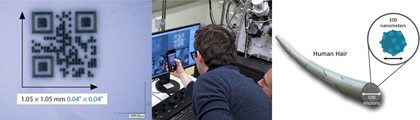
    🔬 A Code Smaller Than a Human Hair Imagine scanning a QR code so small it’s invisible to the naked eye—thinner than a strand of human hair. Recent breakthroughs in nanotechnology and microfabrication have made this possible, pushing the limits of how we store, encode, and retrieve information. Researchers have successfully created nano-scale QR codes using advanced lithography techniques, achieving structures measured in micrometers and even nanometers. For context, a human hair is typically 70–100 micrometers wide—meaning these QR codes can be hundreds of times smaller.     ⚙️ How Do You Even Build a Nano QR Code? Creating such ultra-small structures requires cutting-edge fabrication technologies, including: Electron Beam Lithography (EBL)Uses focused electron beams to “write” patterns at nanometer precision. Focused Ion Beam (FIB) MillingPrecisely carves materials at the atomic scale. Nanoimprint Lithography (NIL)Enables scalable replication of nano-patterns. These methods allow engineers to encode QR patterns into surfaces like silicon wafers, metals, or polymers, maintaining readability under high-resolution imaging systems such as scanning electron microscopes (SEM). 📊 Real-World Data & Scientific Context This isn’t just a lab curiosity—it builds on a broader trend in ultra-dense data storage: Researchers have demonstrated DNA-based data storage with densities up to 215 petabytes per gram. In 2023, teams achieved nanoscale optical storage using structured light, breaking traditional diffraction limits. Semiconductor industries already operate at single-digit nanometer nodes, proving the feasibility of mass production at this scale. In comparison, nano QR codes represent a bridge between physical encoding and machine-readable data, combining visual structure with extreme miniaturization. 🌐 Why This Matters: Beyond Just Tiny Codes 1. Next-Generation Data Storage Nano QR codes could encode information directly onto materials—turning any surface into a data carrier. 2. Anti-Counterfeiting & Security Because they are nearly impossible to replicate without specialized equipment, nano QR codes can serve as invisible authentication tags for: Pharmaceuticals Luxury goods Semiconductor components 3. Biomedical Applications Imagine embedding microscopic QR codes on medical implants or drug carriers, enabling: Real-time tracking Smart diagnostics Personalized medicine 4. Art Meets Science (Visual Impact 🎨) These structures are not only functional—they’re visually striking under magnification, making them ideal for: Scientific illustration Journal covers High-impact visual storytelling 🚧 Challenges to Overcome Despite the promise, several hurdles remain: Readability: Requires specialized imaging tools (not smartphone cameras—yet). Scalability: High-precision fabrication can be costly. Durability: Nano-patterns must withstand environmental wear. However, as imaging and fabrication technologies evolve, these limitations are expected to shrink—just like the QR codes themselves. 💡 Final Thought: When Data Becomes Invisible We are entering an era where information is no longer just stored—it is embedded, hidden, and seamlessly integrated into the material world. The world’s smallest QR code is more than a technical achievement.It’s a signal of a future where: Data lives everywhere—on every surface, at every scale.
    اقرأ أكثر
  • Asteroid Discovery Shock: Scientists Find All 5 DNA Bases in Space – What It Means for the Origins of Life Asteroid Discovery Shock: Scientists Find All 5 DNA Bases in Space – What It Means for the Origins of Life
    Apr 07, 2026
    🚀 A Cosmic Breakthrough That Changes Everything In a discovery that is reshaping our understanding of life’s origins, scientists have identified all five nucleobases—the fundamental “letters” of DNA and RNA—in asteroid samples. This finding suggests that the essential building blocks of life may not be unique to Earth, but instead widely distributed across the universe. The implication is profound: life, or at least its ingredients, may have cosmic origins. 🧬 What Exactly Was Found? DNA and RNA rely on five key nucleobases: Adenine (A) Guanine (G) Cytosine (C) Thymine (T) (DNA only) Uracil (U) (RNA only) While previous studies had detected some of these molecules in meteorites, recent analysis of asteroid samples—particularly from missions like NASA’s OSIRIS-REx and Japan’s Hayabusa2—revealed the complete set.                           Using ultra-sensitive analytical techniques such as high-resolution mass spectrometry, researchers were able to detect even trace amounts of these molecules, ruling out contamination and strengthening the case for their extraterrestrial origin. 🌌 Supporting Evidence: A Pattern Across Space This isn’t an isolated finding. Over the past decade, multiple lines of evidence have pointed toward a universe rich in organic chemistry: In 2022, scientists reported uracil in samples from asteroid Ryugu, collected by Hayabusa2. Meteorites like the Murchison meteorite have long been known to contain amino acids—key components of proteins. Observations of interstellar clouds have revealed complex organic molecules, including precursors to sugars and lipids. Together, these discoveries suggest that prebiotic chemistry is not rare—it may be the cosmic norm. 🌍 Did Life on Earth Come From Space? The idea that life’s ingredients arrived from space is known as panspermia. While this new discovery doesn’t prove that life itself came from asteroids, it strongly supports the idea that: Earth may have been “seeded” with the molecular toolkit needed for life. Early Earth, around 4 billion years ago, experienced intense asteroid bombardment. These impacts could have delivered: Organic molecules (like nucleobases and amino acids) Water and volatile compounds Catalytic minerals that support chemical reactions This would have significantly accelerated the emergence of life. 🔬 Why This Discovery Matters This finding reshapes several key scientific questions: 1. Life Might Be Common in the Universe If the building blocks of DNA are widespread, then the emergence of life elsewhere becomes more plausible. 2. Origin of Life May Be a Multi-Step, Multi-Location Process Instead of originating solely on Earth, life’s chemistry may have begun in space and continued evolving here. 3. Astrobiology Gets a Major Boost Future missions to Mars, Europa, and Enceladus will now look not just for life—but for these molecular precursors. 🛰️ What Comes Next? Scientists are now focusing on: More pristine samples from asteroids and comets Improved contamination control in sample-return missions Laboratory simulations of space chemistry under realistic conditions NASA’s ongoing analysis of Bennu samples and future missions will likely deepen our understanding of how chemistry transitions into biology. 💡 Final Thought: Are We Made of Stardust… Literally? We’ve long known that the elements in our bodies were forged in stars. Now, evidence suggests that the very code of life—DNA—may also have cosmic roots. This discovery doesn’t just answer questions.It opens a bigger one: If life’s ingredients are everywhere… how many worlds are alive?
    اقرأ أكثر
  • Slowing Aging: What Recent Research Tells Us About Longevity Science Slowing Aging: What Recent Research Tells Us About Longevity Science
    Feb 10, 2026
    Aging is something everyone experiences, yet for a long time it was treated as an unavoidable slide into decline. That view has started to change. Over the past decade, laboratory research has revealed that aging is not a single, passive process, but a collection of biological mechanisms that follow recognizable patterns. Many of these processes can now be measured, compared, and in some cases influenced. This shift has given rise to modern longevity science, a field that brings together molecular biology, clinical research, and evidence-based lifestyle studies to explore how aging might be slowed—and how more years of life might be spent in better health.   The Biology of Aging: From Molecules to Mechanisms At a fundamental level, aging reflects the gradual accumulation of cellular damage, a declining ability to repair tissues, and broad changes in metabolism and gene regulation. Researchers often describe these processes using the framework of the “hallmarks of aging.” These include genomic instability, cellular senescence, impaired protein maintenance, and mitochondrial dysfunction. Rather than viewing age-related diseases as isolated conditions, scientists increasingly see them as downstream consequences of these shared biological drivers. As a result, targeting the hallmarks themselves has become a central strategy in longevity research.   Breakthrough Laboratory Discoveries 1. Anti-aging drug combinations in animal models One widely discussed study from the Max Planck Institute for Biology of Ageing examined what happens when two existing drugs—rapamycin, an mTOR inhibitor, and trametinib—are used together in mice. The combination extended lifespan by up to 30% compared with untreated animals. Just as importantly, the mice did not simply live longer; they remained physically stronger and showed lower levels of chronic inflammation. The findings suggest that manipulating key signaling pathways can influence both lifespan and overall physiological function. 2. Genetic insights from animal research Genetic models continue to play a crucial role in aging studies. In one example, mice engineered to overexpress the enzyme SIRT6—a protein involved in metabolic regulation and DNA repair—lived significantly longer than controls. These animals also showed reduced inflammation and improved metabolic stability as they aged. Such results reinforce the idea that relatively small changes in gene regulation can have wide-ranging effects on aging trajectories. 3. Multi-gene drug repurposing networks More recently, computational approaches have added a new dimension to longevity research. By mapping thousands of genes linked to different aging hallmarks, scientists have identified existing drugs that may influence these networks. This systems-level perspective, often referred to as network medicine, allows researchers to prioritize drug candidates that act on multiple aging pathways at once, accelerating the search for viable interventions. 4. Synergistic effects of drug combinations in yeast Even simple organisms continue to offer valuable clues. In laboratory experiments with yeast, combinations of histone deacetylase inhibitors produced lifespan extensions far greater than those achieved by individual compounds alone. Because many core aging mechanisms are conserved across species, these findings help researchers explore how synergistic drug effects might translate to more complex organisms. 5. Nutritional interventions with molecular impact Nutrition research has also moved beyond broad dietary advice to examine how specific eating patterns affect aging pathways. Both laboratory and clinical studies show that interventions such as dietary restriction or time-restricted feeding can modulate nutrient-sensing pathways like mTOR and IGF-1. These changes are closely linked to mitochondrial performance, metabolic flexibility, and cellular stress resistance.   Emerging Human Clinical Evidence Animal models provide essential insight, but human data are increasingly shaping the field.   Vitamin D and telomere preservation A multi-year randomized clinical trial published in The American Journal of Clinical Nutrition reported that adults over 50 who took 2,000 IU of vitamin D3 daily experienced slower telomere shortening than those in the control group. Because telomeres play a protective role at the ends of chromosomes, their rate of shortening is often used as a marker of cellular aging and long-term disease risk.   Diet, exercise, and biological aging clocks The DO-HEALTH trial, one of the largest aging studies conducted in Europe, applied epigenetic “aging clocks” to estimate biological age. Participants who combined omega-3 supplementation, vitamin D intake, and regular strength training showed a measurable slowing of biological aging over three years. The results highlight how lifestyle factors can interact with molecular aging processes in meaningful ways.   Lifestyle Interventions With Molecular Impact Even as laboratory research advances, everyday habits remain powerful tools for influencing aging biology. Caloric and nutrient modulation: Moderate caloric restriction and thoughtful nutrient timing can alter metabolic signaling and cellular stress responses associated with aging. Physical activity: Regular exercise supports mitochondrial function, limits chronic inflammation, and promotes cellular repair, consistently correlating with slower biological aging. Sleep and stress control: Sleep quality and stress levels affect systemic inflammation and DNA repair, both of which play key roles in long-term aging processes.     Translational Challenges and Future Directions Despite encouraging results, translating laboratory findings into real-world therapies is not straightforward. Human complexity: Effects seen in animals often appear smaller in humans, whose biology and lifespans are far more complex. Safety and ethics: Intervening in core processes such as gene regulation or cellular reprogramming carries long-term uncertainties, requiring careful clinical oversight. Accessibility: As longevity technologies develop, ensuring fair and broad access will be an ongoing challenge.   Bringing Longevity Science to Life The path from laboratory discovery to clinical application is still unfolding, but the direction is clear. Future strategies are likely to combine pharmacological advances with precision nutrition, exercise science, and personalized diagnostics into integrated approaches to healthy aging. For science communicators, clear figure design can make complex mechanisms—such as senescence pathways or drug targets—easier to understand, while thoughtful cover design helps longevity research stand out in an increasingly crowded information landscape.    
    اقرأ أكثر
  • What Editors and Reviewers Look for in Scientific Figures: A Practical Guide for Researchers What Editors and Reviewers Look for in Scientific Figures: A Practical Guide for Researchers
    Feb 05, 2026
    In today’s highly competitive publishing landscape, scientific figures are no longer just visual supplements to a manuscript—they are central to how research is evaluated, understood, and remembered. Editors and peer reviewers often form their first impression of a paper by scanning its figures before reading the full text. Understanding what they look for can significantly improve a manuscript’s chances of acceptance. This article breaks down the key criteria editors and reviewers use when assessing scientific figures, supported by real publishing insights and data, and offers practical guidance for researchers preparing figures for submission.   1. Scientific Accuracy Comes First Above all else, editors and reviewers expect figures to faithfully represent the underlying data. Any visual distortion—intentional or not—can raise serious concerns about research integrity. A 2023 survey published in Research Integrity and Peer Review reported that nearly 30% of figure-related revision requests stemmed from unclear data processing, inconsistent scales, or misleading visual emphasis. Common red flags include truncated axes, inconsistent normalization, or unexplained image manipulation. Editors are not necessarily looking for flashy visuals; they want figures that are technically correct, reproducible, and transparently derived from the data described in the methods section. 2. Clarity and Readability Matter More Than Complexity Reviewers often evaluate dozens of manuscripts under tight time constraints. Figures that communicate their message quickly and clearly stand out. Key elements reviewers pay attention to include: Legible labels and axis titles Consistent color schemes across panels Adequate resolution for both screen and print Logical panel organization (e.g., left-to-right or top-to-bottom flow) According to internal editorial guidelines shared by several major publishers, figures that require excessive cross-referencing to the text are more likely to be flagged for revision. Effective figure Design reduces cognitive load and allows the figure to “stand on its own.” 3. Visual Consistency Signals Professionalism Editors are highly sensitive to visual consistency, especially in multi-figure manuscripts. Uniform fonts, line weights, color usage, and annotation styles signal that the authors have taken care in presenting their work. In contrast, inconsistent styling across figures may subconsciously suggest fragmented data sources or rushed preparation—even when the science itself is solid. This is particularly important for interdisciplinary journals, where readers may rely more heavily on visual cues than domain-specific terminology. 4. Figures Should Tell a Story, Not Just Show Data High-impact journals increasingly emphasize narrative coherence in figures. Reviewers often ask: Does the figure support a specific claim? Is the progression from Figure 1 to Figure N logically structured? Are key findings visually highlighted without exaggeration? A well-constructed figure sequence can guide reviewers through the core logic of the study, sometimes more effectively than paragraphs of text. This storytelling mindset is also why journals invest heavily in graphical abstracts and, at the highest level, cover design, where a single image must distill the essence of an entire study. 5. Compliance With Journal Guidelines Is Non-Negotiable Even excellent figures can be delayed—or rejected—if they fail to meet technical requirements. Editors routinely check: File formats (e.g., TIFF, EPS, PDF) Minimum resolution (often 300–600 dpi) Color mode (RGB vs. CMYK) Accessibility considerations, such as color-blind–safe palettes Data from a large biomedical publisher indicate that over 40% of initial technical checks involve figure-related issues, making this one of the most avoidable causes of submission delays. Conclusion: Think Like an Editor To editors and reviewers, scientific figures are not decorative elements—they are condensed arguments. The best figures combine accuracy, clarity, consistency, and narrative purpose, while strictly adhering to journal standards. By designing figures with the reviewer’s perspective in mind, researchers can reduce revision cycles, improve comprehension, and ultimately increase the impact of their work. In an era of information overload, a well-crafted figure may be the deciding factor that turns a good paper into a published one.
    اقرأ أكثر
  • 2025 World Top 10 Technology Advances 2025 World Top 10 Technology Advances
    Jan 22, 2026
    1. Brain–Computer Interfaces Enable Patients to Speak and Sing with Emotion in Real Time   Electrodes implanted in the motor cortex help record speech-related brain activity. Image source: Kateryna Kon   A study published in Nature on June 12, 2025, reported a major breakthrough in brain–computer interface (BCI) research. Scientists in the United States developed an AI-powered system capable of decoding neural signals associated with speech intent, allowing people with severe speech impairments to communicate expressively—and even sing—by translating thoughts directly into spoken language.   The research was led by a team at the University of California, Davis and involved a 45-year-old participant diagnosed with amyotrophic lateral sclerosis (ALS). Although the participant could still produce sounds and mouth movements, his speech had become slow and largely unintelligible.   Five years after symptom onset, researchers implanted 256 microelectrodes into the region of the brain responsible for motor control. Using deep learning algorithms, the system captured relevant neural signals every 10 milliseconds, enabling near real-time decoding of intended speech.   The study showed that the system could translate brain activity into spoken language almost instantaneously. When the participant asked questions, the system conveyed changes in intonation. He could emphasize selected words and even hum short sequences of notes at three different pitches.   Earlier BCI models typically required several seconds to generate speech or only produced output after the user attempted to mimic a full sentence. In contrast, the new system generated speech within 10 milliseconds after detecting speech-related neural activity, while also preserving natural vocal features such as tone, pitch, and stress. Researchers noted that the technology restores not only speech, but also emotional expression and personal identity.   2. First Integrated “Electronic–Photonic–Quantum” Chip System Developed   During testing, a packaged chip board was placed under a probe-station microscope. Image source: Boston University   On July 17, Nature Electronics reported that a joint research team from Boston University, the University of California, Berkeley, and Northwestern University had developed the world’s first integrated “electronic–photonic–quantum” chip system. This marks the first time quantum light sources and stable electronic control circuits have been integrated onto a single chip using a standard 45-nanometer CMOS manufacturing process.   Just as conventional electronic chips rely on electrical currents and optical communication relies on lasers, future quantum photonic technologies require stable sources of “quantum light” to perform computation, communication, and sensing. To achieve this, the researchers built an array of so-called “quantum light factories” on a silicon chip. Each factory measures only about one square millimeter, yet can reliably generate pairs of correlated photons—an essential resource for quantum information applications.   A major challenge was maintaining quantum optical performance while adhering to the strict design constraints of commercial CMOS platforms. To overcome this, the team co-designed electronic and quantum photonic components as a unified system from the outset. The resulting chip includes built-in feedback mechanisms that compensate for temperature fluctuations and fabrication imperfections, paving the way for scalable quantum photonic systems.   3. Most Massive Black Hole Merger Ever Detected Challenges Formation Models   Illustration of the binary black hole merger GW231123. Image source: Caltech   An international collaboration using detectors such as LIGO in the United States detected the most massive black hole merger ever observed, providing new insights into how black holes grow.   The discovery, announced by the LIGO–Virgo–KAGRA Collaboration, originated from the detection of the gravitational-wave event GW231123 in November 2023. The two merging black holes had masses of approximately 100 and 140 times that of the Sun, forming a remnant black hole about 225 solar masses in size.   Both black holes were spinning at nearly 40 rotations per second, close to the theoretical stability limit. Their masses fall near or beyond the upper range of stellar-mass black holes, making them difficult to explain using conventional supernova formation models. Scientists suggest they may have formed through hierarchical mergers of smaller black holes, offering a new perspective on black hole evolution.   The findings were officially presented on July 14 at the 24th International Conference on General Relativity and Gravitation (GR24) in Glasgow.   4. Highest-Energy Neutrino Ever Detected—Twenty Times Previous Records   Engineers prepare to add a detector to the KM3NeT deep-sea network. Image source: Paschal Coyle, CNRS   On February 11, the KM3NeT Collaboration reported in Nature the detection of the highest-energy cosmic neutrino ever observed. Researchers believe the particle originated beyond the Milky Way, although its precise source remains unknown.   On February 13, 2023, the deep-sea detector ARCA recorded a high-energy muon signal. The muon’s energy was estimated at around 120 petaelectronvolts (PeV), while the parent neutrino was estimated to carry approximately 220 PeV—far exceeding previous observations.   The particle traversed the entire detector and triggered signals in more than one-third of its active sensors. Combined with its steep trajectory, the data strongly suggest that the muon originated from a cosmic neutrino interacting near the detector. The event was designated KM3-230213A.   Such ultra-high-energy neutrinos are thought to be produced by extreme cosmic phenomena, including supermassive black hole accretion, supernova explosions, and gamma-ray bursts. These findings offer valuable clues for understanding the most energetic processes in the universe.   5. First Time Crystal Visible to the Naked Eye Created   A time crystal observed under a microscope. Image source: Nature Materials   Time crystals are phases of matter that repeat periodically in time, much like conventional crystals repeat in space. Previously, time crystals had only been observed in complex quantum systems. In 2025, physicists reported the creation of a time crystal visible to the naked eye under specific conditions.   The findings, published on September 4 in Nature Materials, involved rod-shaped liquid crystal molecules that exhibit both liquid and solid properties. When illuminated with light, the surface of the liquid crystal formed rippling molecular patterns. Even when external conditions changed, these ripples continued to move for hours at varying rhythms.   The rhythms were not synchronized with any external driving force, satisfying the two defining criteria of time crystals. Researchers suggested that such thin layers of time crystals could be embedded in banknotes for anti-counterfeiting applications, producing dynamic two-dimensional optical patterns that are extremely difficult to replicate.   6. Genetically Modified Pig Organ Transplant Sets Survival Record   In July 2023, surgeons prepared to transplant a pig kidney into a brain-dead patient in New York. Image source: Shelby Lum   Scientists successfully prevented immune rejection of a genetically modified pig kidney, which survived for 61 days in a 57-year-old brain-dead human recipient—setting a new survival record.   Two papers published in Nature on November 13 identified key mechanisms behind immune rejection and suggested strategies to improve transplant outcomes. Over the past three years, more than a dozen patients have received genetically modified pig organs, though most failed due to immune rejection.   In this case, surgeons also transplanted a pig thymus, which helps train the human immune system to recognize pig cells as “self.” According to Robert Montgomery of the NYU Langone Transplant Institute, the thymus likely played a critical role in extending organ survival.   7. Ground-Based Telescope Detects Signals from the Universe 13 Billion Years Ago   Scientists detected scattered light from the first stars using a telescope in Chile. Image source: Shutterstock   Researchers from Johns Hopkins University and the University of Chicago used a ground-based telescope in the Chilean Andes to detect polarized microwave signals from the early universe—marking the first time such signals have been observed from Earth.   Published on June 11 in The Astrophysical Journal, the study sheds light on the so-called “cosmic dawn,” a poorly understood period just a few hundred million years after the Big Bang.   The observations were made using the CLASS experiment, which employs a uniquely designed ground-based telescope capable of filtering out atmospheric and terrestrial interference. The results provide new constraints on cosmic reionization and improve our understanding of the universe’s earliest structures.   8. Largest-Ever Map of the Universe Released   A screenshot from the COSMOS-Web interactive catalog. Image source: COSMOS-Web   On June 6, an international research collaboration released COSMOS-Web, the largest and most comprehensive map of the universe ever created, based on data from the James Webb Space Telescope (JWST).   The map includes more than 780,000 galaxies and spans 13.5 billion years, covering approximately 98% of cosmic history. JWST revealed far more early galaxies than expected—up to ten times more than predicted by previous models—challenging current theories of galaxy formation.   9. Largest and Most Detailed Brain Connectivity Map Completed   Rendering of more than 1,000 reconstructed brain cells from mouse tissue.Image source: Allen Institute for Brain Science   A series of papers published in Nature and Nature Methods on April 9 described the most detailed mammalian brain connectome ever created.   The achievement came from the MICrONS Project, involving more than 150 neuroscientists. The three-dimensional brain map contains over 200,000 cells, including approximately 82,000 neurons, more than 500 million synapses, and over 4 kilometers of neural wiring.   Using AI and machine learning, researchers linked structural connections with recorded neural activity, marking the first time large-scale neuronal activity has been mapped at single-neuron resolution.   10. AI Achieves Gold-Medal-Level Performance in the International Math Olympiad   The Gemini model generates rigorous mathematical proofs directly from problem descriptions. Image source: DeepMind   On July 21, Google DeepMind announced that its advanced Gemini AI model, equipped with a “deep reasoning” mode, achieved performance equivalent to a gold medal at the International Mathematical Olympiad (IMO).   The model successfully solved five out of six problems from the 2025 IMO, earning 35 points, a result officially verified by competition standards. The IMO, held annually since 1959, is widely regarded as one of the most demanding tests of mathematical reasoning.   The achievement highlights rapid progress in AI’s ability to perform advanced reasoning across algebra, geometry, combinatorics, and number theory.  
    اقرأ أكثر
  • Which Journals Currently Accept AI-Generated or AI-Assisted Cover and Illustration Designs? — A Must-Read Guide for Authors Which Journals Currently Accept AI-Generated or AI-Assisted Cover and Illustration Designs? — A Must-Read Guide for Authors
    Dec 04, 2025
    As generative AI rapidly enters the field of scientific image creation, more authors hope to use AI tools to produce journal covers, graphical abstracts, or illustrations. But in reality, different publishers and journals have drastically different rules. Some completely prohibit AI-generated images, some allow them with strict disclosure, and others follow a mixed model in which covers are more flexible while in-article figures are more strictly regulated. This article summarizes current policies of major publishers regarding AI-generated cover art and illustrations, provides representative examples, and offers a practical checklist authors can use before submission. 1. Overall Trend: Covers Are Relatively Flexible, In-Article Figures Are Strictly Regulated At present, the industry can be grouped into three categories: 1) Completely prohibiting or heavily restricting AI-generated images Some large publishers explicitly state that they do not allow generative-AI images in the scientific figures inside manuscripts. This includes Springer Nature (e.g., Nature, Scientific Reports) and Taylor & Francis. These rules are driven by copyright uncertainty, research integrity risks, and the fact that AI may “invent non-existent details.” (Many publishers have issued similar public statements.) 2) Allowing AI use for covers under “pre-approval + disclosure” Some publishers are more flexible with cover artwork. For example: Cell Press: AI-generated cover images are allowed only with prior editorial approval, plus full disclosure of tools and workflow. ACS (American Chemical Society): Allows AI-created cover art if authors disclose the tools used and ensure the output does not violate copyright/licensing rules. 3) Policies vary by journal Publishers like Elsevier and Wiley offer general AI policies, but individual journals may interpret them differently. Some strictly forbid AI images, while others allow AI-based cover art on a case-by-case basis. Always check the “Author Guidelines” and the AI or image-use section of your target journal. Conclusion: Covers are more likely to be accepted than in-article figures, but policies differ across journals and must be verified individually. 2. Representative Policy Analysis of Major Publishers Springer Nature (Nature series) Prohibits AI-generated images entirely (illustrations, reconstructed microscopy visuals, etc.). Reasons include unclear copyright ownership, fabricated details, and unverifiable image authenticity. Some covers may be exceptions, but require case-by-case editor approval.     Cell Press AI-generated cover art is allowed with prior written permission from the editor. AI is strictly prohibited for generating or replacing scientific data figures. Authors must disclose tools (e.g., Midjourney, Stable Diffusion) in the cover description.     ACS (American Chemical Society) Supports the use of AI-generated artwork for covers, provided: Tool usage is fully disclosed; The AI tool’s terms allow commercial and republication use; Authors supply raw files and creation workflow if editors request them.     Elsevier / Wiley Their global policies emphasize “disclosure of AI usage.” Whether AI images are allowed depends on the specific journal. Some journals allow AI-generated covers but require manual review and refinement by the author to ensure accuracy and compliance.   3. Why Are Covers More Accepted Than Scientific Figures? Editorial teams and the research community remain cautious toward AI images for several reasons: AI outputs sometimes contain imagined structures, inaccurate biology, or random pseudo-text. Some AI-generated images were mistakenly used as real data in submissions, causing community backlash. Cover art is “decorative” and does not influence scientific conclusions, so journals are more flexible with it. To maintain scientific rigor, most publishers clearly state: “AI must not be used to generate or modify research data images.” 4. Practical Checklist: How to Safely Submit AI-Generated Cover Art & Illustrations 1) Read the target journal’s most recent AI/image-use policy (mandatory) Policies change quickly and vary widely. Never rely on outdated assumptions. 2) If uncertain, email the editor for confirmation Publishers such as Cell Press, Wiley, and Elsevier encourage authors to send draft cover images for pre-review. 3) Disclose tools and workflow In the cover description, specify: Which AI tools you used, What manual edits were applied, Whether additional external assets were incorporated. 4) Ensure copyright safety If your AI tool does not guarantee “commercial and publication-safe rights,” editors may reject the artwork. 5) Keep your creative process archived Save prompts, sketches, source images, and version files in case editors request verification. 6) Never use AI to generate or alter scientific data figures This is a universal rule across nearly all journals. These standards are also helpful when producing conference posters or working on figure Design, and the “AI-assisted + manual refinement” model is increasingly common even in areas such as Thesis cover design. 5. Future Trends: Policies Will Continue to Evolve As generative AI becomes mainstream, journals are rapidly updating their image policies. Expect clearer distinctions such as: Different rules for data figures vs. decorative illustrations vs. cover art; Standardized AI disclosure formats; Stronger scrutiny around copyright and image integrity. Authors should stay alert and always check the latest submission guidelines. 6. Summary Most publishers prohibit AI-generated figure images inside papers, especially those related to experimental data. Some publishers allow AI-assisted cover art with pre-approval and full disclosure (e.g., Cell Press, ACS). Policies vary by journal; always review the latest Author Guidelines before submission.
    اقرأ أكثر
  • مستقبل الطب: التشخيص بالذكاء الاصطناعي، وتعديل الجينات، والعلاجات الشخصية مستقبل الطب: التشخيص بالذكاء الاصطناعي، وتعديل الجينات، والعلاجات الشخصية
    Nov 07, 2025
    الوصف التعريفي: كيف تعمل تشخيصات الذكاء الاصطناعي، واختراقات تحرير الجينات، والعلاجات الشخصية على إعادة تشكيل الرعاية الصحية - مع التقدم السريري الحقيقي، ونتائج التجارب، والتأثيرات على مستوى المريض التي تُظهر إلى أين يتجه الطب. ومع اكتساب هذه الابتكارات للرؤية في الاتصالات العلمية، حتى عناصر مثل غلاف المجلة أو أ مجلة التوضيح تسلط الضوء بشكل متزايد على مدى سرعة تطور هذا المجال.يشهد الطب تطورًا أسرع مما يتوقعه معظم الناس. لم تعد التطورات في الذكاء الاصطناعي، وتعديل الجينات، والعلاجات الشخصية مفاهيم مستقبلية، بل أصبحت أدوات سريرية حقيقية تُحسّن التشخيص، وتُعالج أمراضًا كانت مستعصية على العلاج سابقًا، وتُصمم علاجًا يناسب كل مريض. فيما يلي شرح واضح لما يحدث الآن، وأهميته، وما الذي يجب متابعته لاحقًا.1. تشخيصات الذكاء الاصطناعي: توسيع نطاق الخبرة وتسريع الرعايةأصبح الذكاء الاصطناعي جزءًا لا يتجزأ من سير العمل السريري، لا سيما في المجالات التي تُعد فيها السرعة والتعرف على الأنماط أمرًا بالغ الأهمية. في السنوات الأخيرة، شهد عدد الأجهزة الطبية المدعومة بالذكاء الاصطناعي والمُرخصة للاستخدام السريري نموًا سريعًا، مما يُشير إلى انتقال الذكاء الاصطناعي من بيئات البحث إلى الممارسة الروتينية.من الأمثلة التي نوقشت على نطاق واسع نظام تشخيصي ذاتي الذكاء الاصطناعي للكشف عن اعتلال الشبكية السكري الذي يتجاوز الحدّ الأدنى من خلال صور الشبكية. في تجربته المحورية، أظهر النظام دقةً تُضاهي دقة المتخصصين البشريين، ومكّن من إجراء الفحص في عيادات الرعاية الأولية بدلاً من الاعتماد كليًا على أقسام طب العيون. وهذا يُحسّن بشكل كبير من إمكانية الكشف المبكر.تُستخدم أدوات الذكاء الاصطناعي الآن من أجل: الفرز السريع للسكتة الدماغية في الأشعة الكشف عن أمراض الشبكية التحليل الآلي لعلم الأمراض للخلايا والأنسجة لا تزال هناك قيود مهمة. تُظهر الدراسات أن نماذج الذكاء الاصطناعي قد تختلف في أدائها باختلاف السكان والأجهزة والبيئات السريرية. وهذا يجعل التحقق والمراقبة والإشراف البشري أمرًا أساسيًا لضمان النشر الآمن والعادل.الوجبات الجاهزة: تعمل الذكاء الاصطناعي على تقليل الحواجز أمام التشخيص على مستوى التخصص وتسريع عملية اتخاذ القرارات السريرية - ولكن النجاح على المدى الطويل يتطلب تقييمًا صارمًا وعدالة بين مجموعات المرضى المتنوعة.2. تعديل الجينات: من المختبرات إلى العلاجات التي تُغير الحياةلقد وصل تعديل الجينات إلى نقطة تحول. فقد تمت الموافقة على أولى العلاجات القائمة على تقنية كريسبر/كاس9 لعلاج اضطرابات الدم الوراثية، مما يُثبت أن التعديل الدقيق للحمض النووي يمكن أن يُترجم إلى فوائد سريرية حقيقية. وفي التجارب السريرية الرئيسية، حقق العديد من المشاركين شفاءً دائمًا، وحقق بعضهم نتائج تُعتبر قريبة من الشفاء.بدأت الأنظمة الصحية في العديد من البلدان في الموافقة على استخدام علاجات الخلايا الجذعية المحررة جينيا للمرضى المؤهلين، مما يعكس الثقة المتزايدة في سلامة وفعالية هذه التكنولوجيا.ومع ذلك، فإن التحديات كبيرة: توصيل محرري الجينات إلى الخلايا بشكل آمن وفعال تقليل التأثيرات غير المستهدفة تعقيد التصنيع والتكلفة العالية ضمان الوصول العادل لقد حدثت حالات أوقف فيها المنظمون بعض تجارب التحرير داخل الجسم للتحقيق في إشارات السلامة - وهو جزء ضروري من التطوير السريري المسؤول.الوجبات الجاهزة: لقد تجاوزت تقنيات كريسبر النظرية لتشمل العلاجات الواقعية، مقدمةً إمكاناتٍ ثوريةً للأمراض الوراثية. ويعتمد استمرار التقدم على مراقبة السلامة، والتصنيع القابل للتطوير، والحلول على مستوى النظام لتوفير الوصول وبأسعار معقولة.3. العلاجات الشخصية: تصميم العلاج بما يتناسب مع كل فردأصبح الطب الشخصي شائعًا. وهناك اتجاهان رئيسيان يدفعان هذا التحول:● العلاجات الخلوية المتقدمةلقد حققت علاجات CAR-T وغيرها من علاجات الخلايا المُهندَسة شفاءً طويل الأمد لبعض أنواع سرطان الدم. وتتوسع الإصدارات الأحدث لتشمل الأورام الصلبة وأمراض المناعة الذاتية، مما يُظهر أن إعادة برمجة الخلايا المناعية للمريض يمكن أن تُقدم علاجًا مُستهدفًا بدقة.● العلاجات المعتمدة على المؤشرات الحيوية والعلاجات غير المرتبطة بالأورامتتم الموافقة على المزيد من العلاجات بناءً على طفرات جينية أو بصمات جزيئية محددة، بدلاً من العضو المنشأ. يتيح هذا النهج للأطباء مطابقة المرضى مع العلاج الأنسب لخصائص مرضهم الفريدة.مع تزايد تكلفة تسلسل الجينوم، أصبح بإمكان الأطباء دمج البيانات الجينية والجزيئية والسريرية لتوجيه القرارات بدقة أكبر بكثير من ذي قبل.الوجبات الجاهزة: تعمل العلاجات الشخصية على تحويل المعلومات الجزيئية إلى تدخلات مصممة خصيصًا - مما يؤدي إلى تعظيم الفائدة مع تقليل السمية غير الضرورية إلى أدنى حد.4. التأثيرات الواقعية والتكاليف والإنصافعلى الرغم من واعديتها، تُثير هذه الاكتشافات تساؤلاتٍ مهمة حول إمكانية الوصول والاستدامة. تتطلب العلاجات المُعدّلة جينيًا والعلاجات الخلوية المُخصّصة أنظمة إنتاج مُعقّدة، وقد تكون مُكلفة للغاية. يجب على أنظمة الرعاية الصحية تقييم الفوائد طويلة الأجل مُقارنةً بالاستثمارات الأولية.تُشكّل تقنيات الذكاء الاصطناعي أيضًا تحدياتٍ تتعلق بالمساواة: إذا كانت بيانات التدريب لا تُمثّل فئاتٍ سكانيةً مُحدّدة، فقد يكون أداء النماذج أقلّ دقةً في تلك الفئات. يُعدّ ضمان تنوع مجموعات البيانات، ومراقبة النتائج، وتحديث النماذج خطواتٍ أساسيةً لمنع اتّساع الفوارق الصحية.وتشمل الحلول العملية التي يتم استكشافها بالفعل ما يلي: السداد على أساس النتائج مراكز تصنيع مركزية للمواد البيولوجية المعقدة الأطر التي تتطلب مجموعات بيانات التحقق المتنوعة وستلعب هذه التدابير دوراً كبيراً في تحديد ما إذا كانت الابتكارات ستفيد جميع المرضى أم مجموعة مختارة فقط.5. ما الذي يجب مشاهدته بعد ذلكالمسارات التنظيمية المتطورةتعمل الهيئات التنظيمية العالمية على تكييف المعايير الخاصة بالذكاء الاصطناعي وتحرير الجينات، وتحقيق التوازن بين الابتكار السريع وسلامة المرضى.بيانات السلامة للتحرير داخل الجسم الحيستحدد نتائج التجارب القادمة مدى سرعة انتشار أساليب التحرير داخل الجسم.دمج الذكاء الاصطناعي + التعددية الجينيةإن الجمع بين الذكاء الاصطناعي والتصوير وعلم الجينوم والبروتينات والبيانات السريرية قد يمكّن من توفير الرعاية التنبؤية والوقائية - وتحويل الطب من العلاج التفاعلي إلى الإدارة الاستباقية.خاتمةتُعيد تشخيصات الذكاء الاصطناعي، وتعديل الجينات، والعلاجات الشخصية صياغة إمكانيات الرعاية الصحية. تُمكّن هذه التقنيات من الكشف المُبكر، واتخاذ قرارات أكثر دقة، وتقديم علاجات مُصممة خصيصًا لتناسب كل حالة على حدة. ويتمثل التحدي الآن في ضمان أن تكون هذه التقنيات آمنة، وقابلة للتطوير، وبأسعار معقولة، ومتاحة للجميع. إن مستقبل الطب ليس فقط أسرع وأذكى، بل إنه أكثر شخصية.
    اقرأ أكثر
1 2 3

اترك رسالة

اترك رسالة
في السنوات العشر الأولى من تطور سونغدي، ركزت على تصميم الصور وأبحاث الرسم العلمي والترويج في مجال البحث العلمي.
إرسال

ساعات عملنا

الإثنين 21/11 - الأربعاء 23/11: 9 صباحًا - 8 مساءً
الخميس 24/11: مغلق - عيد شكر سعيد!
الجمعة 25/11: 8 صباحًا - 10 مساءً
السبت 26/11 - الأحد 27/11: 10 صباحًا - 9 مساءً
(جميع الساعات بالتوقيت الشرقي)

اتصل بنا :service@sondii.com

الرئيسية

منتجات

whatsApp

الاتصال