
《Giugno 2025 – Volume 46 – Numero 6》
Yiran Tao¹,⁴ ∙ Ying Lu¹,⁴ ∙ Bin Yu² ∙ Yuxi Wang¹,³
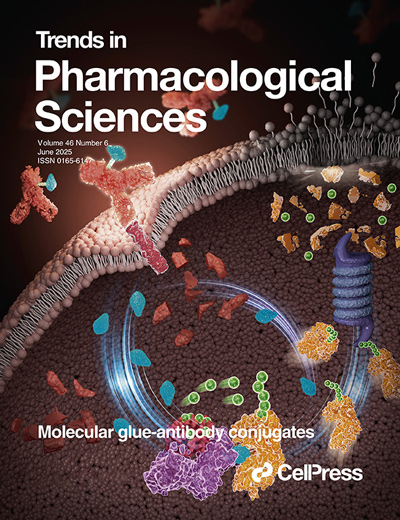
يظهر على غلاف هذا العدد من مجلة Trends in Pharmacological Sciences العمل البحثي بعنوان "الغراء الجزيئي يلتقي بالجسم المضاد: مركبات الأجسام المضادة للأدوية من الجيل التالي"، للباحثين ييران تاو، يوكسي وانغ، ينغ لو، وبين يو.
خلفية البحث
أحدثت مركبات الأجسام المضادة المترافقة مع الأدوية ثورة في مجال الأورام من خلال تمكين التوصيل المستهدف للعلاجات السامة للخلايا. ومع ذلك، لا تزال العديد من القيود المستمرة تحد من الإمكانات العلاجية الأوسع لهذه المركبات، بما في ذلك محدودية تنوع الحمولات الدوائية. بالإضافة إلى ذلك، أدى ظهور آليات مقاومة الأدوية إلى خلق تحديات جديدة للفعالية السريرية للعلاجات القائمة على هذه المركبات. وللتغلب على هذه العقبات، بدأ الباحثون في استكشاف استراتيجيات حمولات مبتكرة، مما أدى إلى تطوير مركبات الأجسام المضادة المترافقة مع الغراء الجزيئي. من خلال استخدام الغراء الجزيئي كحمولات، توفر هذه المركبات نهجاً جديداً لمعالجة القيود الحالية للمركبات التقليدية.
أهمية البحث
تقدم مركبات الأجسام المضادة المترافقة مع الغراء الجزيئي العديد من المزايا الملحوظة وتمثل تقدماً رائداً في هذا المجال. ونظراً للخصائص التحفيزية والمحركة بالأحداث للغراء الجزيئي، تتمتع هذه المركبات بالقدرة على تحقيق فعالية علاجية محسّنة. مقارنة بالمركبات التقليدية، قد تقلل مركبات الغراء الجزيئي المترافقة مع الأجسام المضادة من التأثيرات خارج الهدف، وتحسن سلامة العلاج، وتعزز في النهاية المؤشر العلاجي. حالياً، دخل اثنان من المرشحين لهذه المركبات في التجارب السريرية، مما يؤكد بشكل أكبر إمكاناتهم السريرية الواعدة. لا يقدم هذا التقدم إمكانيات جديدة لعلاج السرطان فحسب، بل يقدم أيضاً أملاً متجدّداً في تحسين نتائج المرضى وجودة حياتهم.
آفاق البحث
تقدم هذه الدراسة مناقشة متعمقة للآليات والتطورات الحديثة والإمكانات لمركبات الأجسام المضادة المترافقة مع الغراء الجزيئي لتتجاوز المركبات التقليدية والغراء الجزيئي المنفرد. على الرغم من وعدها المثير، لا تزال هذه المركبات تواجه تحديات تطويرية متعددة. يجب أن يركز البحث المستقبلي على زيادة توضيح آليات عملها وتحسين استراتيجيات تصميمها وتخليقها لتعزيز الاستقرار والفعالية. بالإضافة إلى ذلك، لا تزال العديد من القضايا الحرجة بحاجة إلى معالجة، مثل تحقيق تحكم أكثر دقة في إطلاق الغراء الجزيئي وتقليل توليد الاستجابة المناعية. مع استمرار التقدم العلمي والابتكار التكنولوجي، من المتوقع أن تلعب مركبات الأجسام المضادة المترافقة مع الغراء الجزيئي دوراً متزايد الأهمية في علاج السرطان، مما يمهد الطريق لعلاجات أكثر فعالية ضد السرطان ويدفع الجيل القادم من علاجات الأورام.
مفهوم تصميم الغلاف
Anhui Province Academy of Science and Technology, No. 128,Wanshui Road, Hi-Tech Zone, Hefei City, Anhui Province, China
 +86 17354022649
 service@sondii.com


ساعات عملنا
الإثنين 21/11 - الأربعاء 23/11: 9 صباحًا - 8 مساءً
الخميس 24/11: مغلق - عيد شكر سعيد!
الجمعة 25/11: 8 صباحًا - 10 مساءً
السبت 26/11 - الأحد 27/11: 10 صباحًا - 9 مساءً
(جميع الساعات بالتوقيت الشرقي)
 IPv6 دعم الشبكة